


Silk Leaf here and Steel follows:
I created the “Steel & Silk” newsletter and started writing about a week ago. I don’t plan to make a living from writing. I enjoy writing as thinking, and I keep it as a mirror for myself.
Language — fundamentally — is the only tool I use every day.
Every day, I use language to tighten definitions, clarify methodology, make agreements, run daily operations, and close deals with real people.
So writing isn’t “content” to me. It’s my operating system — just published.
The thing that bothers me is how to get more people to see my newsletter — creators on Substack call it a growth strategy. If people love my shit and actually benefit from practicing it, that’s real value. If nobody sees it, then it’s just another piece of noisy shit. I’d be ashamed to dump it into the world.
I tried to search for “growth strategy” and even asked one analyst in my team in Hungary to do some research. Not much helpful info - at least for me.
So, I developed a simple v0 growth strategy for myself as follows. Happy to open the box, and check how it goes:
Foundation of Growth: G (Goal) P (Practical) T (Time)
Goal: The goal of writing Steel & Silk is serving handsome Dr. Billy HAO first.
I’m against “drawing the audience picture.” I am the #1 audience, and everyone else is secondary. If my content helps me think cleaner and act faster, then I write it down. If not, I forget about it.
Practical: my content must be practical, with 0% friction, it must transform into action, decision, and plan for me.
I don’t categorize info by macro or micro, or anything like that. That split is fake. I only categorize information into three buckets:
Practical: Not “interesting.” Not “true.” A move: a decision, a step, a rewrite, a call, a constraint I apply within the next few hours.
Peace: information that reduces internal friction.
It makes me calmer, clearer, less reactive.Noise: everything else.
It can be viral, smart, dramatic, urgent… and still useless. Noise consumes me by mocking the truth, while I consume it.
Time: Only within around 90 minutes.
In my 40s, I’m basically social-free. I still like to do low-and-slow Texas BBQ myself and invite friends. I refuse parties and big gatherings. In the morning, I wake up and read cool books before I jump into an inbox full of other people’s priorities. ALL my Steel & Silk reading and writing must be finished in this strictly structured 90 minutes.
This is the foundation of the growth.
Daily Operation of the Foundation
The machine: one book a week → notes → best prompt → practical plan
Before writing Steel & Silk, I usually finish one book per week (sometime quicker, sometime much slowerrrr… ). Lots of notes and handwriting. After each book, I record a pretty long audio memo (15–20 minutes) for my lens and how to use it to solve real pain-in-the-ass problems. Then, since mid-2025, for each book, I turn it into a master prompt to help me solve real pain-in-the-ass problems.
With Steel & Silk, I just make it simple.
Action One:
While I read, I post small thoughts as Notes. Not polished. Not optimized. Just real-time thinking.
Action Two:
Then after I finish the book, I write the most important output: The Steel: “The MASTER prompt of this book.” Not a summary. Not highlights. A prompt that turns the book into:
decisions, and
a practical plan I can execute this week.
If someone wants to practice the lens or mindset, they don’t need my “content.” They run the prompt. They get decisions. They get a plan. That’s literally how I solve my problems every day: define → clarify → decide → execute.
If someone wants the full prompt, they need to subscribe. I have no interest in pushing paid subscriptions in next few month before I am sure delivering something really useful.
Action Three:
Each week, I’ll give out one Silk Leaf — a handwritten piece of art in a Buddhist tone (you need to pay shipping) - to the person who restacks my notes and gets the most views.
Yes. Thanks for the help. That’s the game.
Action Four:
I’m not going to spend too much time interacting. If tools (check Moltbolt) can handle lightweight engagement. I’ll use them. If not, I won’t force it. Because I’m not here to build a second job called “being online.”
The constraint: 90 minutes per day
All of this must fit into 90 minutes per day. Read, write, post notes, interact — within 90 minutes/day. If not, I’ll give my time to something more important than writing this newsletter.
That constraint is the whole strategy. It forces clarity. It kills scope creep. It keeps the system honest.
This is my open plan so far. I’ll change it anytime.
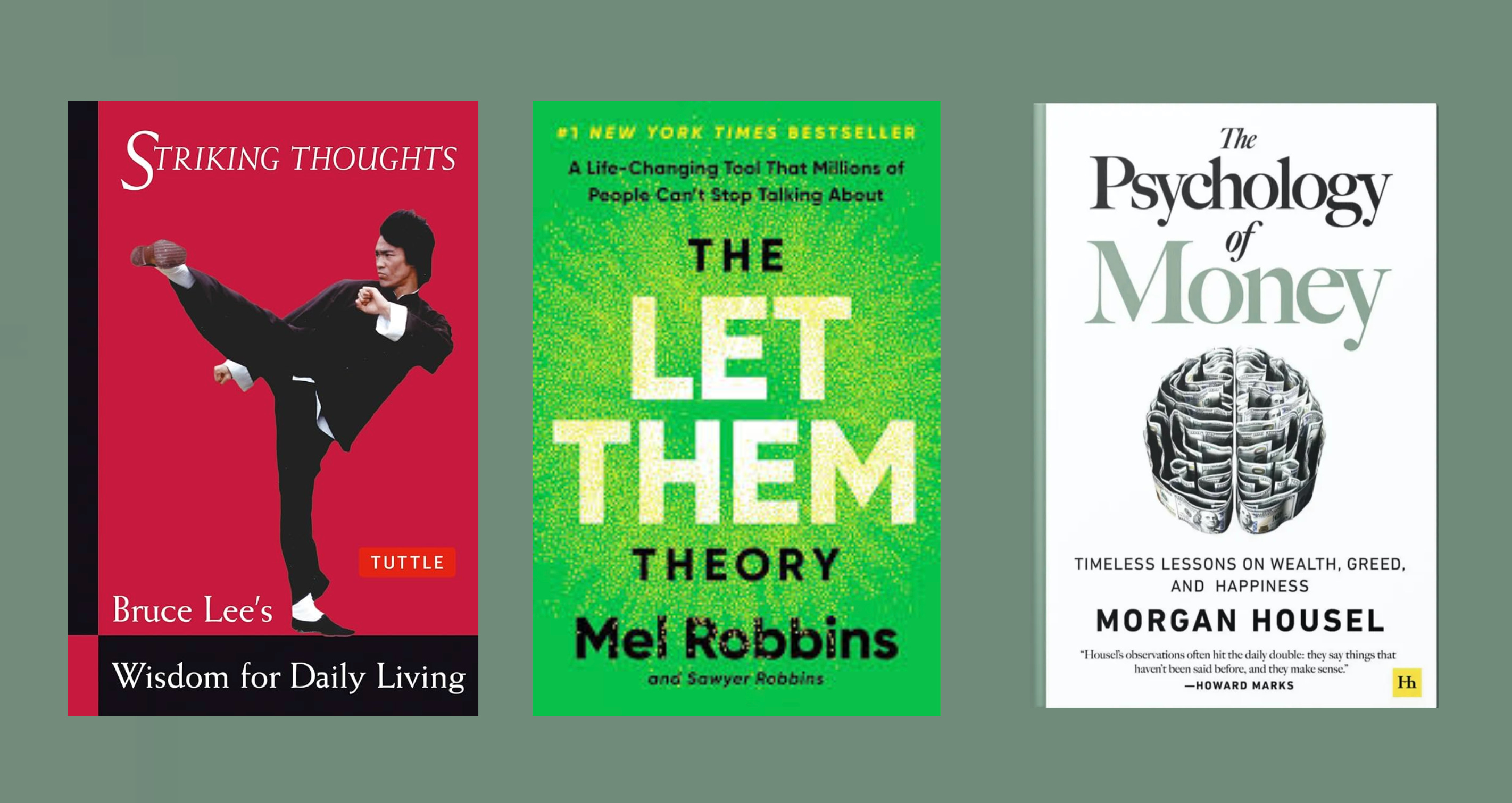
Book on my March reading list. (If I have a real problem, then I will need to find a book to solve the problem. So, reading list can be changed at any time.)
Billy.
Thanks for sharing.